


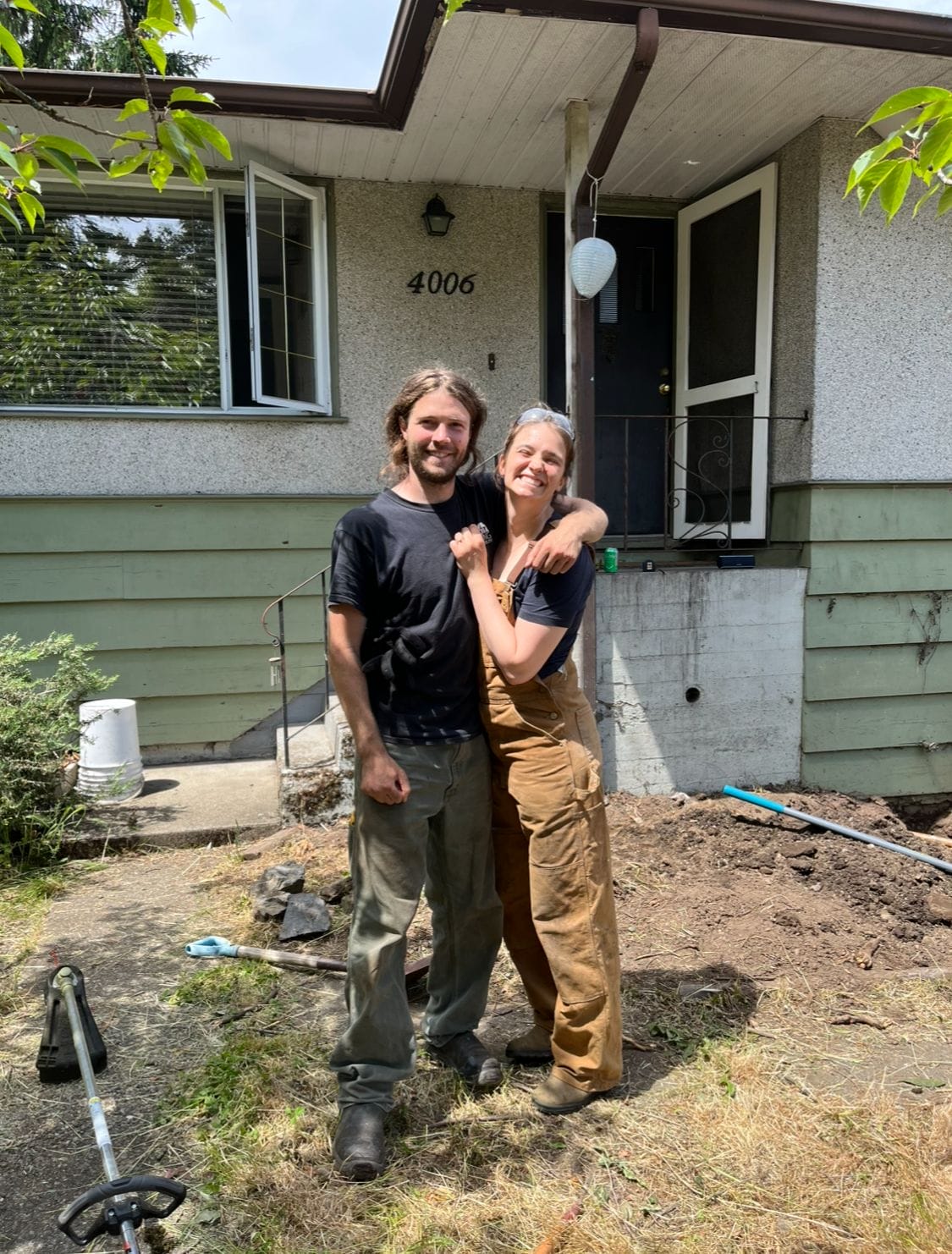
I lost myself to the renovation. My husband and I bought a fixer-upper a few years back. Between working shifts in the Emergency Department at Victoria General and rebuilding our whole home the past three years, I feel like I’m just now rediscovering who I am outside of drywall mudding and eggshell finish: Oh that’s right! I do love to surf; that’s why I came to the Island. Oh yeah! There’s a garden outside of our house. That would be fun to plant.
Gardening has become a big hobby of mine. I’ve got all sorts of fruits and vegetables and flowers. Right now, my toughest challenge is not pushing to buy a new house with a bigger yard. We just finished our renos, but I’d do it all again for more garden space.
When I was a kid, my family lived on a hobby farm outside of Edmonton. My parents were from the city and had no agricultural experience, so it was less of a farm and more of a restaurant for coyotes; but my dream is to one day buy an acreage on the Island and try again. There are less coyotes here, so maybe version-two of the family farm could be more successful.
“Looking out for those around you is such an important part of being human.”
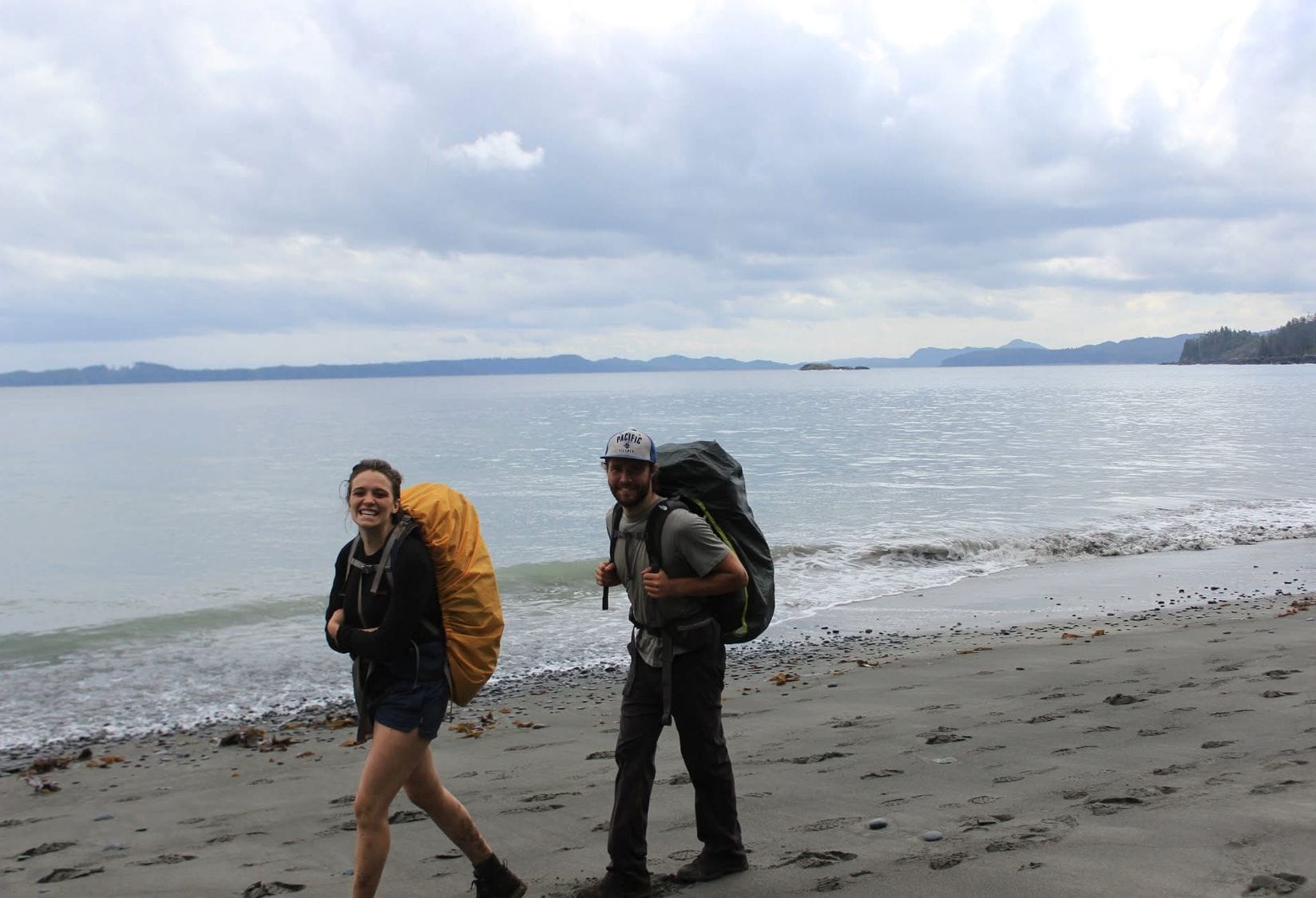
After growing up in Alberta, I was ready to leave the Prairies. I spent a number of years travelling, surfing, and taking on different nursing contracts before I landed here in Victoria. I was drawn by the ocean and stayed because, in the Victoria General Emergency Department, I had plenty of interesting work that I truly love without needing to live in a big city.
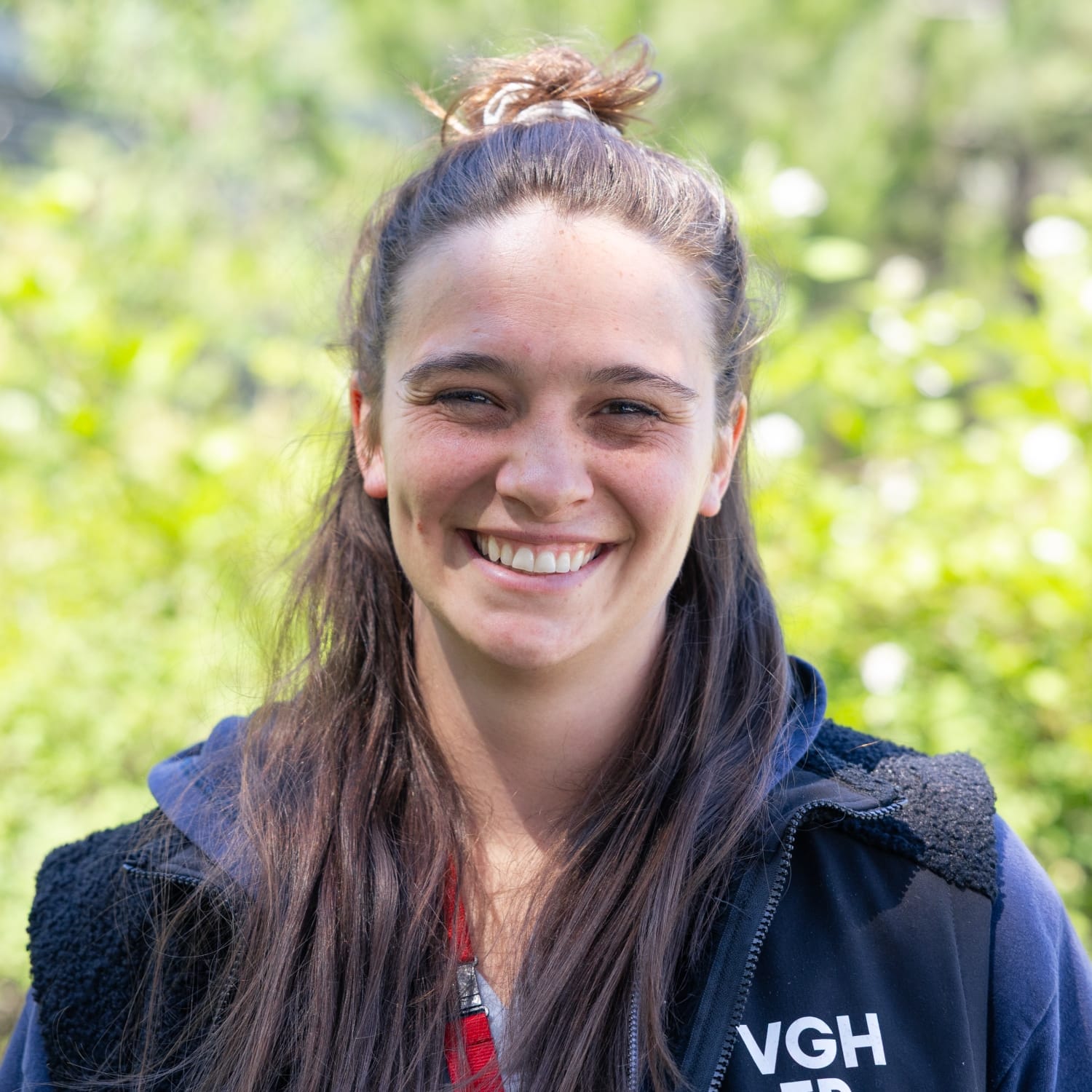
I’ve been an Emergency Nurse for 10 years, and recently I’ve stepped into the role of Clinical Mentor. I get to walk alongside newer nurses in their day-to-day work providing what I like to call “elbow-to-elbow support”: answering questions, providing guidance, calming nerves. When their needs are well met, I believe it trickles down to our patients and improves the care that we can provide.
Looking out for those around you is such an important part of being human. In the Emergency Department, we are faced with situations daily that no one else, even our loved ones, can fully understand. Because of that, leaning into each other as fellow staff is crucial.
It’s often the smallest things that make the difference. One particularly intense day, none of us nurses had been able to step away for hours. The department was packed. High-urgency case after high-urgency case. We were all pushed to our limit. And then, our CNL Jonathan took a small moment to get us all glasses of ginger ale. That’s it. But it meant the world.
Whether in the Emergency Department or outside of it, trying to support another person at their lowest points can feel overwhelming; but I do think that there is a lot that can be done in the day-to-day moments when you say, I can do this one thing. I can’t fix it all; but I can be this person for you right now.
As much as offering this support can benefit others, I often find I benefit just as much myself. The number one way I’ve found to mitigate burnout and push through the hard days is those human connections found in the small acts of kindness. Pouring a ginger ale for a coworker. Getting a warm blanket for a patient. Those moments are often the reset I need to keep on going. And those moments are the way we make our hospital a little more human.
“I can do this one thing. I can’t fix it all; but I can be this person for you right now.”
They are humans first, who put other humans first.
More than 8,900 caregivers and staff work around the clock in our Victoria Hospitals
#HumansFirst is dedicated to sharing the stories from behind our hospitals’ frontlines. These stories remind us that those who provide care and keep the lights on in our hospitals also have lives outside of them. They have family and friends, they enjoy hobbies and interests, and they have all lived through their own personal triumphs and heartbreaks. Like all of us, they are human, and they have a story to tell.