Successful Reintegration of Patients Back into the Community is Key
Dr. Will White: Consider this analogy: people are like sailboats. Under normal circumstances they sail the seas, living their life and everything’s fine. But when people come to need hospital-based mental health care, it means their ship has been capsized or they’ve been washed up on the rocks. They’ve been battered. Their hull is leaking and their mast is broken. The hospital then, is the place where the ships get towed in and taken out of the water into the dry dock. There, we inspect the hull, find the leaks, and make the necessary repairs. Without this new level of care, we end up putting them back in the stormy waters on the open sea and say “Good luck! Hope it works out!” With a step down unit, we’re able to set the ships down in the water to see if their hull and mast holds up. See if they can do a few laps around the harbour in calm water before letting them out to sea. We can determine if our repairs were done correctly and then when we are confident, we can feel good about sending them out on open waters. And then people can hopefully go back to living their lives. That’s why such a program and this new level of care is just so vitally important.




 What is Psychosocial Rehabilitation?
 Concurrent Disorders and How to Address Them
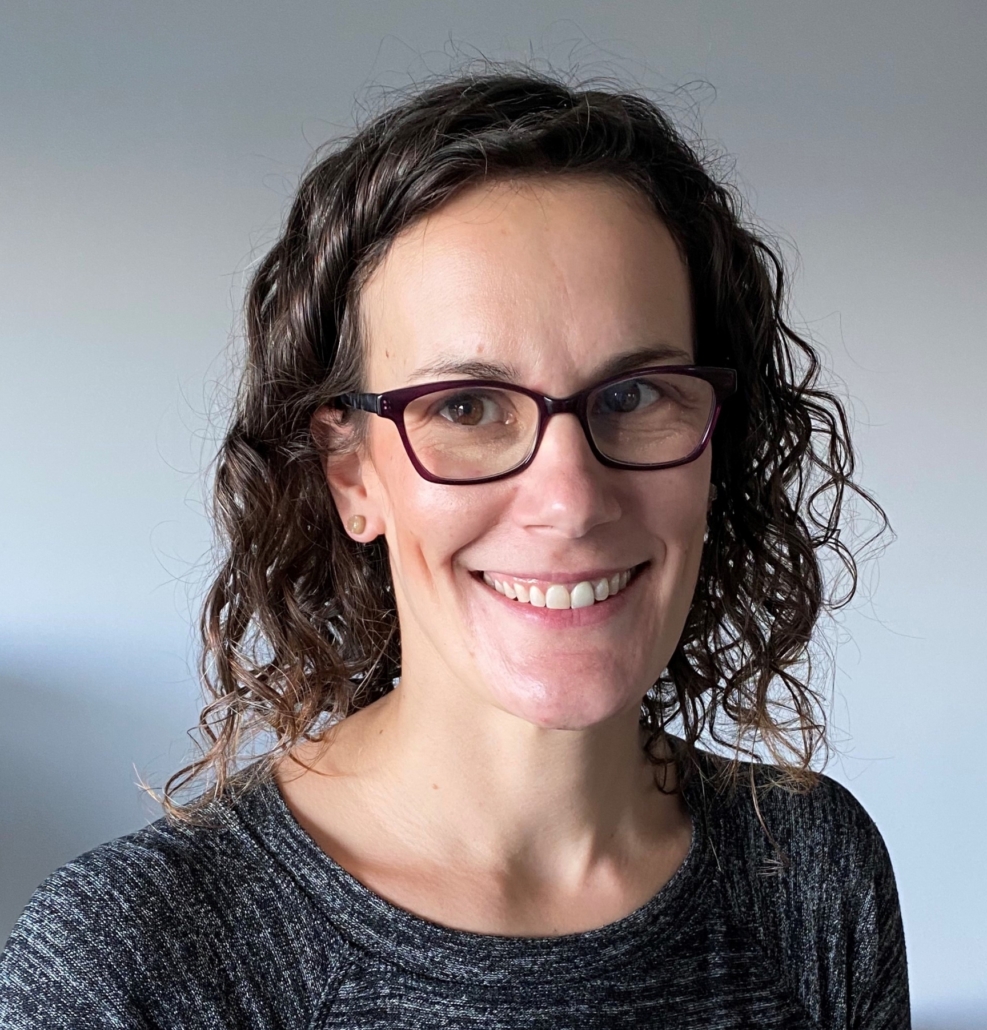 Dr. Gregson attended medical school at the University of Alberta in Edmonton, before completing her Psychiatry residency at UBC Vancouver. She has been in Victoria since August 2018, and focuses her time and expertise on inpatient and outpatient general psychiatry. In addition to clinical work, Dr. Gregson is highly involved in medical education, including medical students and residents. She has been the Associate Program Director for the UBC Psychiatry Vancouver Island training program since April 2020.
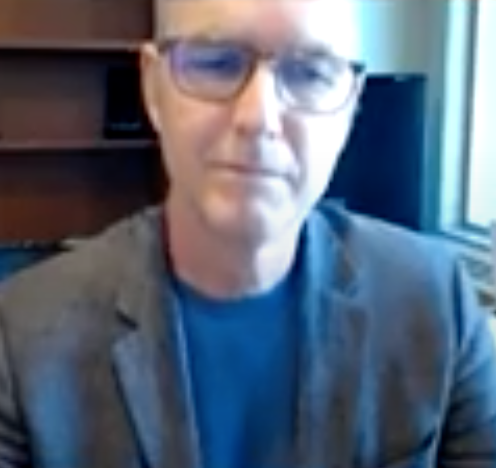 Dr. White has worked in the mental health and addiction field since the mid-1980s. He initially trained as an addiction counsellor, and later worked as a mental health therapist and program manager. He went to the University of Calgary where he trained in psychiatry and addiction psychiatry. From 2004 to 2020, he was the clinical medical director of inpatient psychiatry at the Foothills Medical Centre in Calgary. He joined us last year as an inpatient psychiatrist at the Royal Jubilee Hospital, and provides outpatient services at the Victoria Mental Health Centre. Dr. White was honoured in 2017 by the Centre for Addiction and Mental Health as one of “150 Leading Canadians For Mental Health” or “Difference Makers.”
 As an Occupational Therapist for over 15 years, Sarah Smith’s trauma-informed and person-centered practice promotes and empowers individual’s participation in productive and meaningful activities of daily life and wellness. Sarah’s role within the psychiatric inpatient units include patient assessment, activation and engagement through psychosocial recovery based wellness and education groups, and triaging with patient’s circle of support and community agencies. Sarah has diverse experience working within Island Health, as an OT consultant, an educator, presenter, and an advocate for mental health awareness. Sarah is one of our recipients of the “Caring Spirit” award!
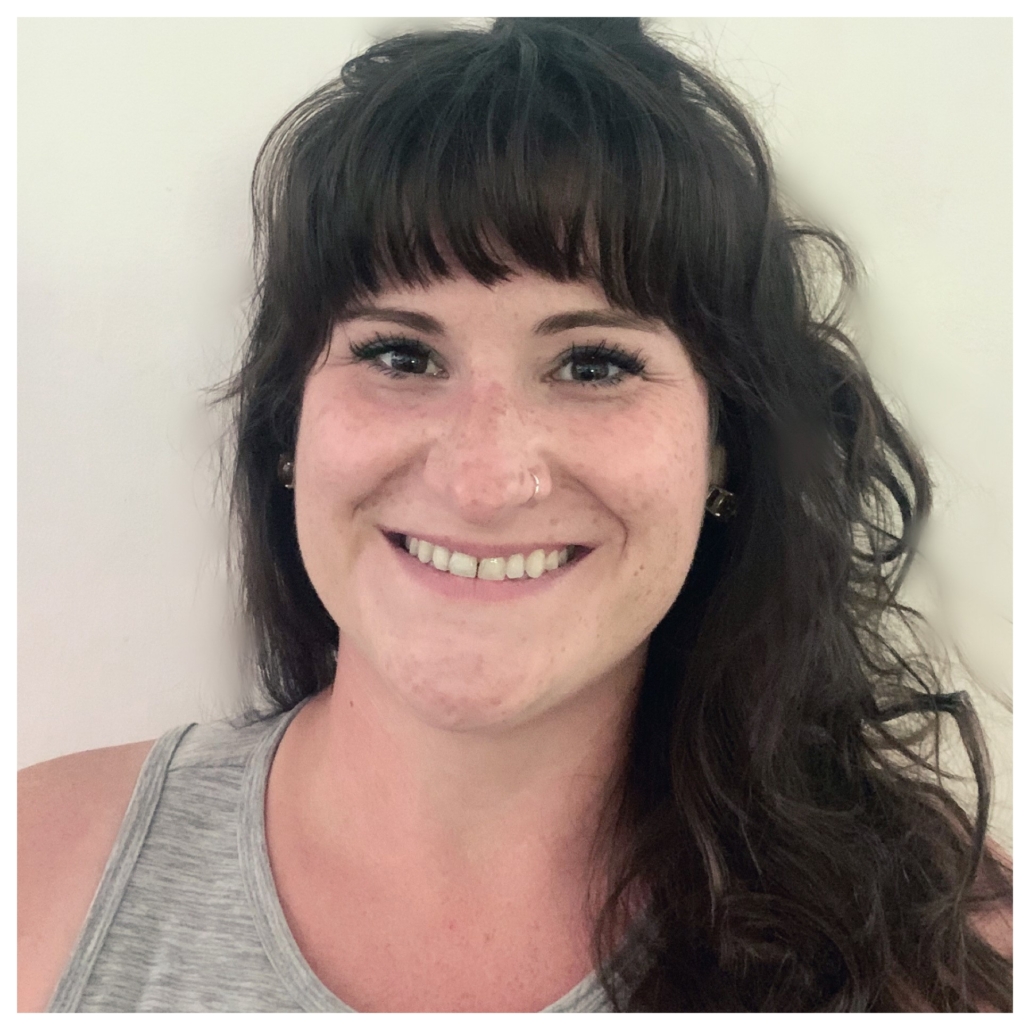 Jocelyn Barr attended Nursing School at College of the Rockies in Cranbrook BC, then moved to Victoria to complete her degree in 2012 with the University of Victoria. After working several years in withdrawal management for community mental health and addictions, she transitioned to acute care psychiatry. Over the course of 6 years, she worked on all in-patient units including psychiatric intensive care and psychiatric emergency. With the opportunity of starting a recovery-centered program, Jocelyn made the switch from direct patient care to a leadership role to pursue an alternative route to nursing practice. Jocelyn works in the new Sub-Acute Unit our campaign is supporting, and is passionate about a patient centered approach to wellness.